
Self-Employed
Mortgage Solutions Built Around How You Earn
Self Employed
Self-employed individuals often have unique financial structures and income patterns. Some lenders will take these into account when assessing mortgage applications.
There’s a common misconception that obtaining a mortgage as a self-employed person is nearly impossible. While the process can be more complex—due to different lenders’ criteria—it is achievable with the right approach.
Some lenders assess income based solely on salary and dividends, while others take a broader view, considering net profits, retained earnings, or contractor day rates.
Self-employed individuals who may need specialist consideration include:
Sole traders
Limited company directors
Contractors and freelancers
Partners in LLPs and professional practices
Specialist mortgage advisers can provide guidance tailored to each financial profile, helping to navigate varying lender requirements, with experience across both mainstream and specialist lenders, they can support self-employed applicants in understanding their options and improving the likelihood of a successful mortgage application.
YOUR HOME MAY BE REPOSSESSED IF YOU DO NOT KEEP UP REPAYMENTS ON YOUR MORTGAGE.
Talk with a Mortgage Adviser
By pressing submit you give Kingsbrook Finance permission to contact you and use your data inline with our privacy policy
Mortgages for Self-Employed
Things To Consider
-

Proof Of Income
For self-employed applicants, lenders focus on income consistency and sustainability rather than payslips.
Most lenders require 2–3 years of accounts or tax returns or evidence such as tax calculations, tax overviews, or company accounts.
-

Deposit Requirements
Self-employed borrowers are often expected to provide, a deposit of 10–25%, depending on income stability and credit profile
A larger deposit can Improve your chances of approval & Unlock more competitive interest rates
-

Your Business Structure Matters
Different types of self-employment are treated differently by lenders. Some lenders are far more flexible than others, which is why choosing the right lender is crucial.
- Sole traders and freelancers are usually assessed on profits
- Limited company directors may face stricter criteria
- Contractors may be assessed using day rate and contract length
-
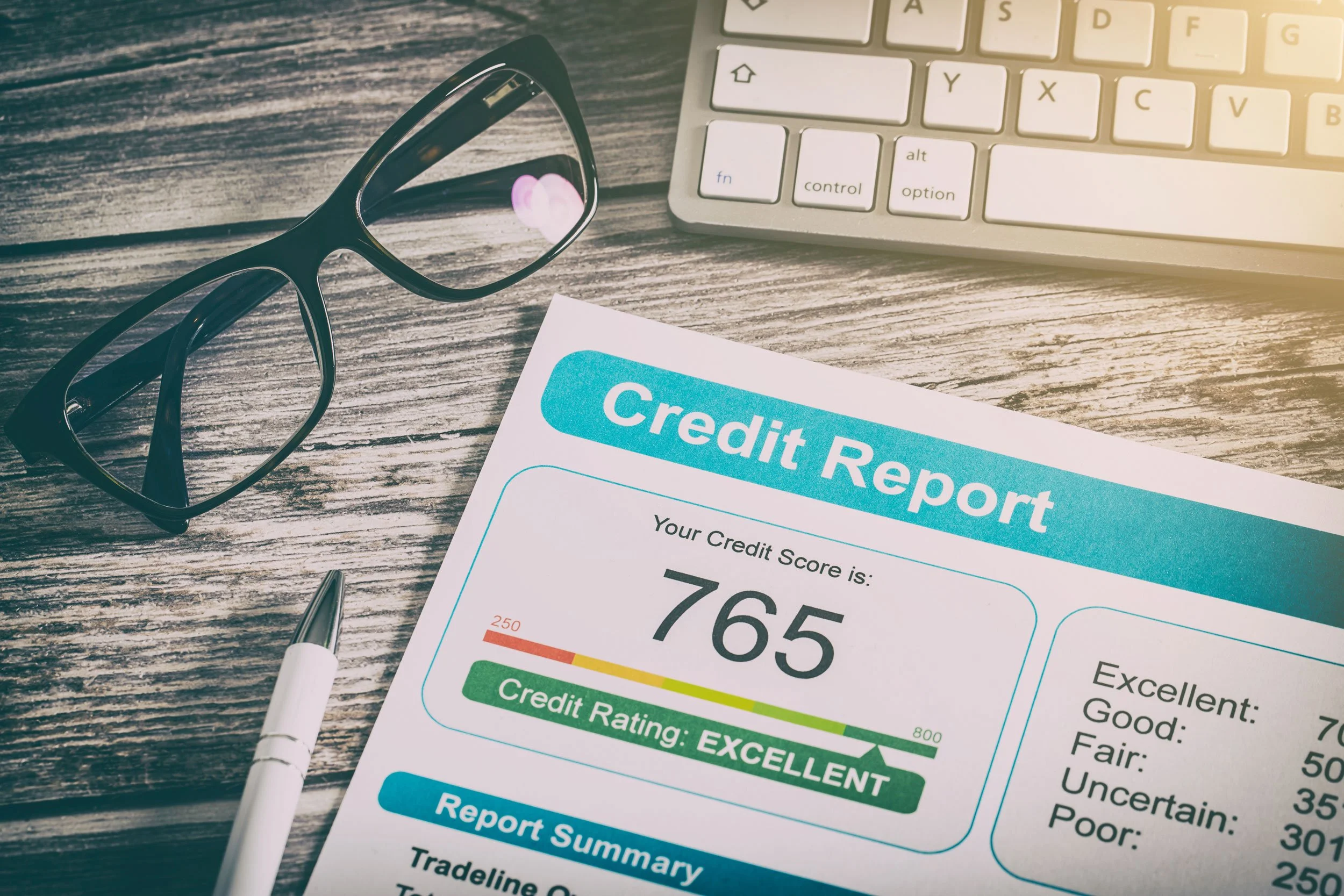
Credit History Is Key
Because income can be harder to verify, lenders place extra weight on your credit profile.
They will look closely at, Your credit score, Payment history & Existing debts and commitments.
Keeping personal and business finances separate and maintaining a clean credit record can significantly strengthen your application.
-

Tax Efficiency vs Mortgage Affordability
Many self-employed people minimise tax by keeping declared income low — but this can reduce borrowing potential.
There’s often a balance between Being tax-efficient Vs Showing enough income to meet affordability checks.
Planning ahead and speaking with your accountant before applying for a mortgage can help you strike the right balance.
-

Length of Time Self-Employed
Most lenders require at least 2 years of trading history.
Some lenders may consider 1 year of accounts with strong income and industry experience
Very few lenders will accept less than 12 months of self-employment, but exceptions do exist.
Why Use a Mortgage Broker?
Kingsbrook Finance

Self-employed mortgages are more complex — and not all lenders assess income the same way.
A specialist mortgage broker can:
Match you with lenders that support self-employed applicants
Present your income correctly
Avoid unnecessary declines
Save time and stress
This is especially valuable for limited company directors, contractors, and those with complex income streams.
Self-Employed… needing help with your mortgage?
Speak to a mortgage adviser today for clear, honest advice you can trust.